
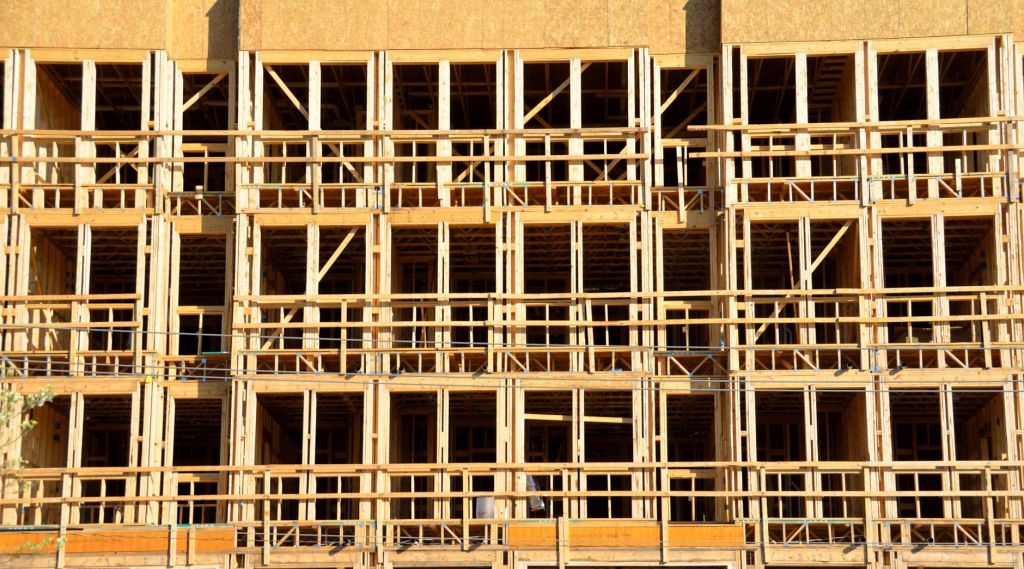
GREENVILLE, S.C. — City leaders and affordable housing developers broke ground Wednesday on Southernside West, a 54-unit senior apartment community that will rise on West Washington Street just west of downtown, even as a new state law threatens to slow the pipeline of similar projects across the Upstate.
The $19 million development, a partnership between Harmony Housing Affordable Development and the Greenville Housing Fund, will offer 39 one-bedroom and 15 two-bedroom units for residents 55 and older earning between $20,000 and $60,000 a year. Ten percent of units are reserved for people with disabilities. Construction is expected to wrap by October 2027, with leasing to begin in spring 2028. The four-story building replaces the former Southernside Block Partnership site, part of a historically Black neighborhood that has seen a wave of redevelopment as downtown Greenville’s growth pushes outward.
The groundbreaking lands at a tense moment for affordable housing statewide. South Carolina lawmakers this year froze new applications for a property tax exemption that nonprofit low-income housing developers have long relied on to make deals pencil out, with the state set to stop accepting applications after June 30 for at least two years. Housing advocates warn the pause could stall projects already in the pipeline and discourage new ones, at a time when the National Low Income Housing Coalition estimates South Carolina has only 43 affordable rental units available for every 100 extremely low-income households statewide.
The math is especially tight in the Upstate, where population growth has outpaced housing production for years. Greenville’s overall for-sale market has loosened in recent months, with roughly a 4.7-month supply of inventory and homes taking about 52 days to sell, giving buyers more leverage than they’ve had since before the pandemic. But that relief has been concentrated in market-rate and higher-end listings. Entry-level and income-restricted units, the kind seniors on fixed incomes and working families depend on, remain scarce, developers say, because construction and land costs have climbed faster than subsidies and tax credits can offset.
Greenville Housing Fund officials said Southernside West is designed to keep longtime residents, including seniors displaced by rising rents and property values elsewhere in the neighborhood, from being priced out of the area entirely. The project is one of several affordable developments moving forward in the city this year, part of a broader push by local officials to pair market-rate growth downtown with dedicated income-restricted stock nearby.
For developers, the timing underscores a widening gap between what the private market is building and what lower-income renters and seniors can afford. Without the frozen tax exemption, some nonprofit developers say future projects may need to lean more heavily on federal low-income housing tax credits, local housing trust fund dollars, or public land donations, tools that are limited and increasingly competitive across the state.
For now, Southernside West stands as a test case: whether Greenville can keep building income-restricted housing at scale even as one of its key financial tools sits frozen, with the outcome likely to shape how quickly, and where, the next wave of affordable units gets built across the Upstate.


Leave a comment