
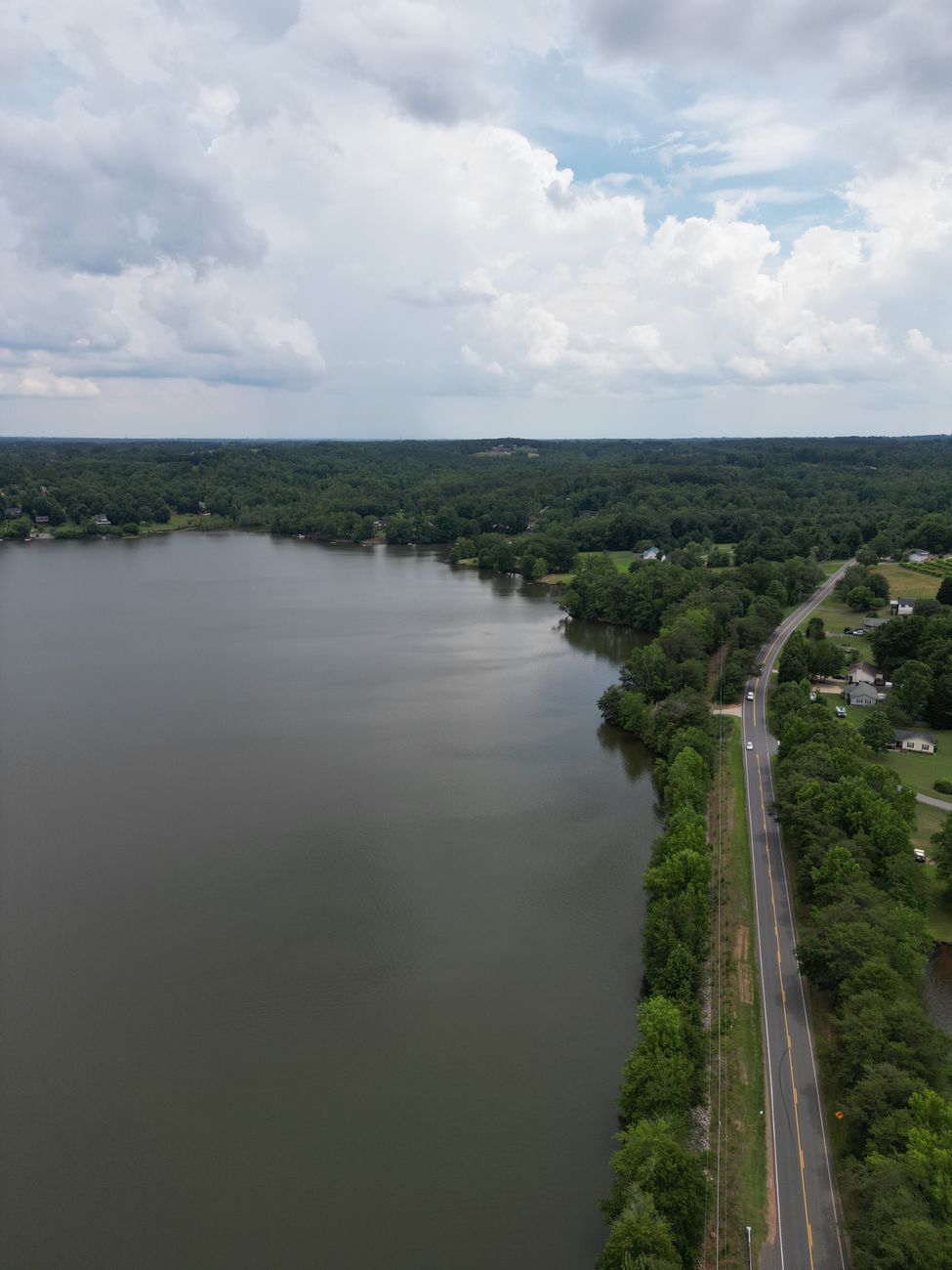
ANDERSON, S.C. — While Greenville’s resale market keeps loosening in buyers’ favor, a different housing dynamic is playing out one county over: Anderson County home sales jumped nearly 81% in May compared to a year earlier, even as inventory remains scarce enough to keep sellers firmly in control.
Anderson recorded 409 home sales in May, a sharp acceleration from the same month last year, according to market data tracked by regional brokerages. Active supply sits at just a 1.34-month level — far below the roughly four-month cushion Greenville has built up — and homes are moving in about 59.5 days, down 15% from a year ago. Sellers are also getting closer to their asking price, with homes trading at roughly 98.15% of list, even as the county’s median price dipped 4.9% year-over-year to around $290,000 earlier in the year.
The activity reflects Anderson’s position on the I-85 corridor between Greenville and the Georgia state line, where employers including Harbor Freight Tools and FedEx logistics operations have anchored steady job growth. As home prices in Greenville and Spartanburg counties climb toward the high $300,000s and $400,000s, buyers priced out of those markets are increasingly landing in Anderson and similar corridor communities, where existing housing stock still trades meaningfully cheaper.
That dynamic is creating a fractured housing map across the Upstate: core metro counties are seeing inventory build and price growth flatten, while some outlying corridor markets remain tight enough to favor sellers. It mirrors a pattern playing out in Oconee County, where population has grown nearly 7% since 2020 and average home prices have climbed from roughly $260,000 five years ago to more than $350,000 today.
Todd Latiff, chairman of the South Carolina Housing Finance Authority, said the affordability squeeze extends well beyond any single county. “It’s not just Oconee County. It’s a statewide issue for South Carolina,” Latiff said, noting the statewide average home price has climbed to around $367,000. “My daughter is a speech pathologist, and my son-in-law is an audiologist. They can’t afford a house. If an audiologist and a speech pathologist can’t afford to buy a house, then what does that say about the person that’s working third shift? Or the teacher?”
In response, the Housing Finance Authority launched a statewide initiative called “Made It Home,” aimed at building smaller, more attainable homes priced between $175,000 and $200,000 for teachers, firefighters, factory workers and other middle-income buyers. The program has delivered 130 homes across six South Carolina cities so far, relying on partnerships between local governments, builders and state officials to identify land for attainable housing.
For Anderson County buyers, the current market means little room to negotiate and a real risk of losing out to competing offers, particularly on move-in-ready homes near the interstate. For developers and investors, the county’s combination of thin inventory, fast sales and still-below-metro pricing points to room for new construction aimed at the middle of the market rather than the luxury projects reshaping downtown Greenville. And for state and local officials, the spread of affordability pressure into corridor counties like Anderson and Oconee adds momentum to arguments for expanding programs like Made It Home beyond their initial six cities as Upstate growth continues to push outward.


Leave a Reply